




Dual pulse power supply: What is the difference between a pulse power supply transformer and a high-frequency power supply transformer? Dual pulse electroplating power supply - pulse electroplating power supply
Dual Pulse Power Supply The principle and advantages of high-frequency pulse power supply. Connecting the electrostatic precipitator and the pulse power supply to form an electrolysis management system, the electrolysis process it carries out is the pulse electrolysis method. The time Ton from the moment the current is turned on to the moment it is turned off is the pulse delay time, also known as the pulse width, which is the working time of the electrolysis method. The time Toff from the moment the current is turned off to the moment it is turned on is the electrolysis intermittent time or pulse interval.
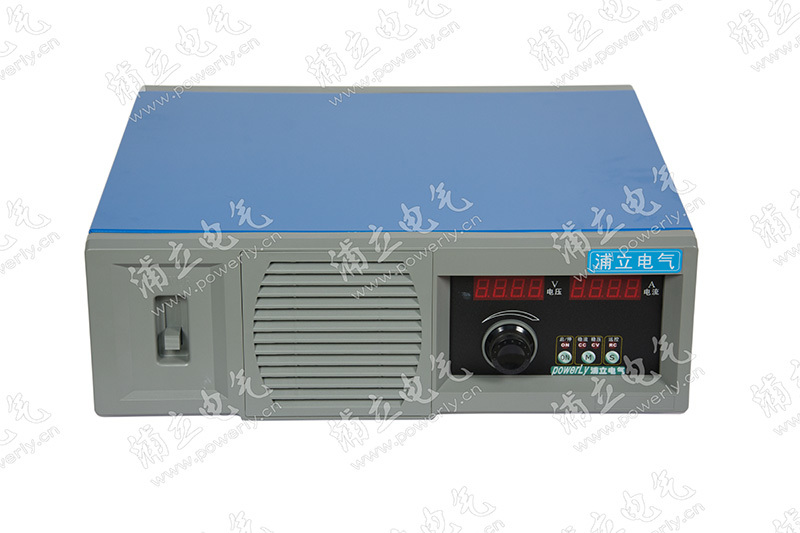
What is the difference between the pulse power transformer recommended by Puri and the high-frequency power transformer?
The output pulse can be an equidistant pulse, a sparse pulse, or a pulsating beverage pulse. The waveform of the surge current has various forms such as sine wave, half-wave of sinusoidal AC, sawtooth wave, and separated sawtooth wave. A typical pulse current waveform is shown in Figure 1. The pulse has three independent parameters: pulse voltage (or current) amplitude, pulse width Ton, and pulse interval Toff. In order to achieve good dust removal and energy-saving effects, these three parameters can be adjusted.
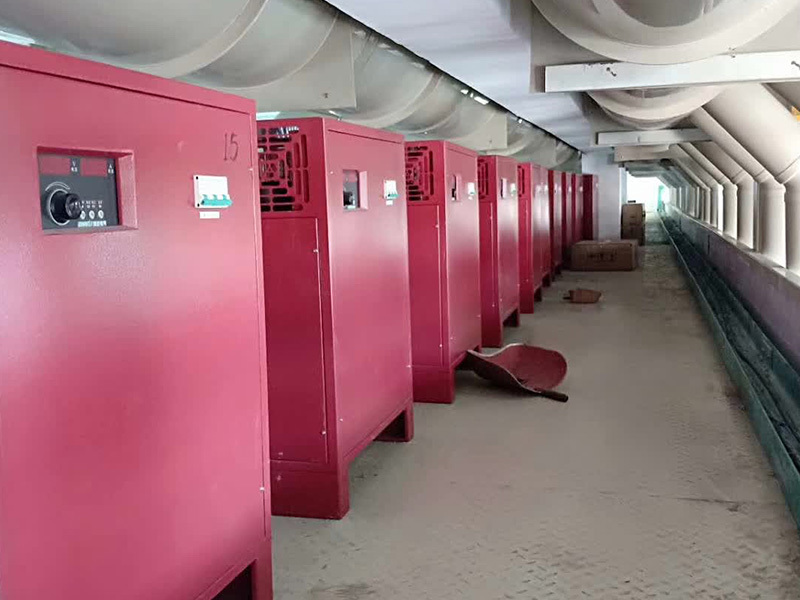
The pulse cycle is the sum of the pulse width and the pulse interval, and the pulse frequency is the reciprocal of the pulse cycle. Let the duty cycle be r, then r is the ratio of the on-off time (pulse width) to the pulse cycle: r=Ton/(Ton+Toff). By changing the value of the duty cycle r, different energy-saving effects can be obtained. High-frequency pulse refers to the high-frequency pulse electrolysis process that continuously repeats "power on-power off-power on", which greatly improves the efficiency of electrolysis. In pulse electrolysis, the power-on time is less than the total reaction time of the electrolysis process, and the dissolution amount of iron will be less than that during direct current electrolysis.
Therefore, compared with direct current electrolysis, the electrolysis pulse power supply saves energy and greatly reduces iron consumption. Due to the release of differential signals, the reactions on the electrodes are intermittent, which is conducive to outward diffusion and reduces concentration polarization, thereby reducing energy consumption. The current in the electrostatic precipitator is generated by the movement of ions under the action of the electrostatic field. During the power-on time, the ion concentration will decrease rapidly; while during the power-off interval, the ion concentration will be quickly restored and replenished. Therefore,
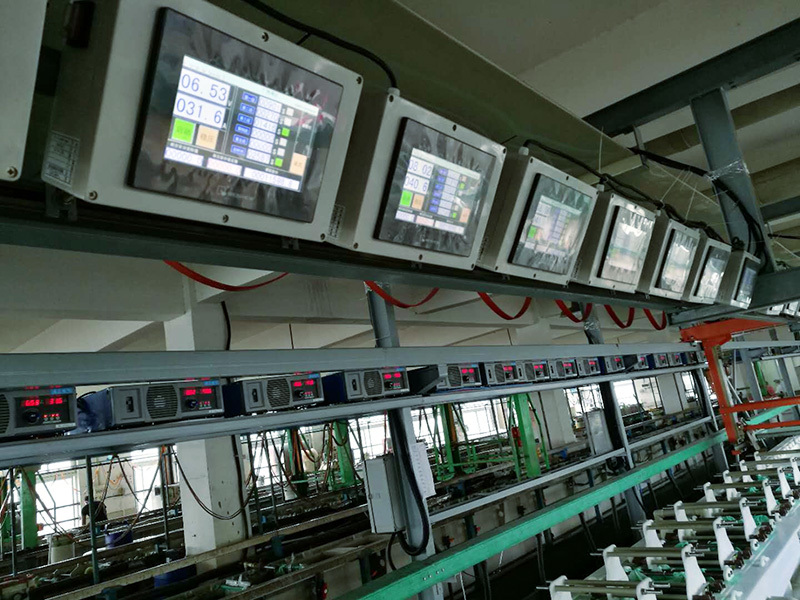
The periodic commutation pulse is followed by a reverse pulse (anodic oxidation pulse) after a forward pulse (cathodic pulse). In the electrolysis process, if a periodic commutation differential signal is released, it has the characteristics of pulse electrolysis, and because both sides can be dissolved, it is more conducive to the inclined plate sedimentation effect between metal ions and colloids. In addition, the frequent change of the optical rotation of both sides also has a positive effect on preventing electrode passivation. This is a new concept of periodic commutation pulse electrolysis, which is currently used in the electroplating industry, but has not been reported in the wastewater treatment industry.
The pulse voltage is generally between 100~400V, which is much higher than the voltage of the direct current power supply. In fact, using a higher voltage can greatly reduce the total current and shorten the electrolysis time, thereby improving current efficiency, reducing energy consumption and iron consumption, and making the electrolysis effect better. Because the total average energy consumption is reduced and the current is not large, the transformer will not overheat, and the equipment operation is reliable.
The above is the content collected by Guangzhou Puri Electric Co., Ltd. for everyone. If you need customization, please contact us.
MORE INFORMATION

Market and Development Trends of High-Frequency Switching Power Supply Manufacturers
High-frequency switching power supplies are an indispensable core component in modern electronic products. With the rapid development of electronic technology, especially the continuous progress in consumer electronics, communication equipment, and industrial automation, the market demand for efficient, compact, and stable power supplies is increasing. This has led to the booming development of high-frequency switching power supply manufacturers. In this article, we will explore the current market status and development trends of high-frequency switching power supply manufacturers. I. Industry Overview High-frequency switching power supplies are power supply devices that control energy conversion through electronic switching devices (such as transistors). The working principle is to convert the input DC or AC voltage into a stable output voltage through high-frequency switching operations. Compared with traditional linear power supplies, high-frequency switching power supplies have advantages such as small size, high efficiency, and low heat generation, and are widely used in various electronic products such as computers, televisions, communication equipment, and power tools. II. Market Demand With the popularization of smart devices and the requirements of energy saving and environmental protection, the market demand for high-frequency switching power supplies continues to grow. Especially in the fields of consumer electronics, industrial automation, LED lighting, and electric vehicles, modern power supply equipment is increasingly inclined to miniaturization, lightweight, intelligence, and high efficiency. Therefore, high-frequency switching power supply manufacturers
How to judge the technical strength of a high-frequency switching power supply manufacturer?
How to judge the technical strength of high-frequency switching power supply manufacturers? In today's rapidly developing technological era, high-frequency switching power supplies have become core components of numerous electronic devices. They are almost ubiquitous, from household appliances and communication equipment to industrial control systems. So, among the many high-frequency switching power supply manufacturers, how can we judge their technical strength? After all, choosing a manufacturer with strong technology is crucial for product stability and performance improvement. Let's explore this. 1. Understanding the manufacturer's R&D capabilities. First, R&D capability is an important indicator of the technical strength of high-frequency switching power supply manufacturers. We need to see if they have a strong R&D team and multiple independent intellectual property rights. In this field, technology is constantly being updated, and only continuous technological research and development can ensure success in fierce market competition. So, how do we evaluate a manufacturer's R&D capabilities? You can check their number of patents, participation in industry standard setting, and whether they have collaborations with universities or research institutes. If a high-frequency switching power supply manufacturer can continuously launch new technologies and products, their R&D capabilities are undoubtedly trustworthy. 2. Product testing and certification. Secondly, product
The Future of Electrical Equipment Manufacturing: Technological Innovation in High-Frequency Switching Power Supplies In today's rapidly developing era, the electrical equipment manufacturing industry is facing unprecedented challenges and opportunities. In particular, technological innovation in high-frequency switching power supplies is bringing new vitality to this industry. So, what is a high-frequency switching power supply? And how does it drive the future of the electrical equipment manufacturing industry? Basic Concept of High-Frequency Switching Power Supply Simply put, a high-frequency switching power supply is a device that controls energy conversion through high-frequency switching technology. Imagine a faucet; different water pressures and flow rates determine the amount of water supplied. A high-frequency switching power supply is like this faucet, precisely controlling the output of electrical energy. They are widely used in communications, industrial control, medical equipment, and other fields. Technological Innovation in High-Frequency Switching Power Supplies In recent years, the technology of high-frequency switching power supplies has been constantly innovating. First, the improvement in efficiency is obvious. Imagine you are cooking in the kitchen; if the thermal efficiency of the gas stove is improved, you can not only save gas but also shorten the cooking time. This is equally important for high-frequency switching power supplies. By adopting more efficient conversion technologies, manufacturers can not only reduce energy consumption but also reduce the heat generated by the equipment, improving overall performance. Furthermore, the size reduction is also significant.
SUBSCRIPTION INFORMATION
CATEGORY
Contact Us
Address: Room 204, Building 4, CIMC High-tech Intelligent Manufacturing Center, No. 3, Chanxing 1st Road, Xianyong Village, Chencun Town, Shunde District, Foshan City, Guangdong Province
Copyright © 2024 Guangdong Powerly Electric Co., Ltd. All Rights Reserved. Power:www.300.cn SEO License