




Challenges facing the development of high-frequency switching power supplies
In recent years, Power management and communication functions developed based on digital technology have improved product performance. , The network interface of digital power supplies makes online maintenance, self-testing, and upgrades easy, greatly improving product reliability and lifespan. Digital high-frequency switching power supplies can be operated through human-machine interaction via interface circuits, external keyboards, and LCD displays. , Through serial interfaces such as RS485, RS232, and CAN bus, data communication with the host computer is achieved for remote monitoring and control.
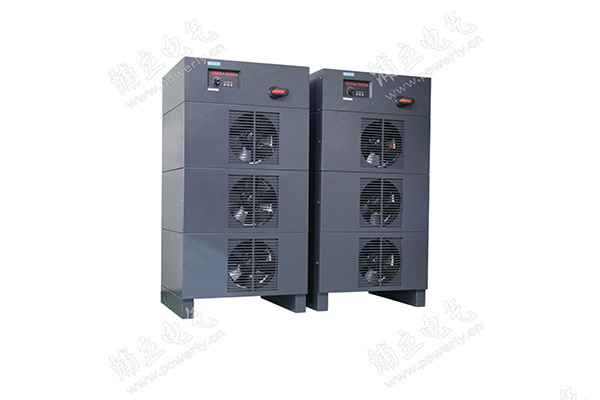
Utilizing integrated digital circuits with various functions, digital control chips, and advanced EDA technology, microcontroller technology, and DSP technology, high-frequency switching power supply designers can break away from traditional complex analog circuit design and focus on improving the quality, performance, and functionality of power supply products. In addition, using computer-aided design (CAD) methods, it can also improve the development efficiency of power supply products and shorten the development cycle. Moreover, distributed high-frequency switching power supply systems, based on the parallel operation of power modules, adopt system current sharing, N+M redundant design and hot-swap technology. Each converter handles low power to reduce electrical stress, breaking through the bottleneck of insufficient single-output power and can also expand multiple power outputs, reducing development costs.
Currently, , high-power high-frequency switching power supply products are scarce and underperforming in China. Moreover, high-power high-frequency switching power supplies with a single-unit capacity exceeding 20kW are extremely rare both domestically and internationally, with single-unit output currents generally below 1000A. These issues cause high-frequency. Switching power supplies have not yet been used in China's electrochemical and metallurgical fields, which require high power (hundreds of kilowatts or several megawatts and above). The two most basic and important elements of the main power circuit that constitutes a high-frequency switching power supply : The output of power electronic devices and magnetic devices is not high, which is currently the main bottleneck hindering the increase in power.
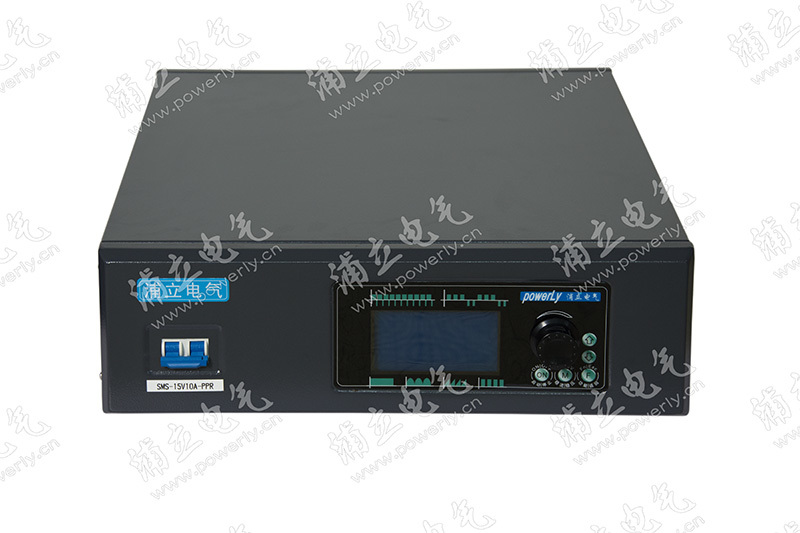
Based on electronic design automation (EDA) technology, microcontroller technology, and digital signal processor (DSP) technology, digital high-frequency switching power supplies developed using digital technology use software and hardware design to replace analog circuits. The digital DSP used for the PWM feedback circuit can control the main power converter that generates digital PWM waveforms through a built-in PID algorithm. Digital high-frequency switching power supplies can be based on A/D conversion and chips such as CPLD to detect the current, voltage, and temperature parameters of the system, adjust the PWM signal output through internal processing, adjust the power output and various protection functions, and precisely synchronize the control of the synchronous rectifier circuit.
MORE INFORMATION

Market and Development Trends of High-Frequency Switching Power Supply Manufacturers
High-frequency switching power supplies are an indispensable core component in modern electronic products. With the rapid development of electronic technology, especially the continuous progress in consumer electronics, communication equipment, and industrial automation, the market demand for efficient, compact, and stable power supplies is increasing. This has led to the booming development of high-frequency switching power supply manufacturers. In this article, we will explore the current market status and development trends of high-frequency switching power supply manufacturers. I. Industry Overview High-frequency switching power supplies are power supply devices that control energy conversion through electronic switching devices (such as transistors). The working principle is to convert the input DC or AC voltage into a stable output voltage through high-frequency switching operations. Compared with traditional linear power supplies, high-frequency switching power supplies have advantages such as small size, high efficiency, and low heat generation, and are widely used in various electronic products such as computers, televisions, communication equipment, and power tools. II. Market Demand With the popularization of smart devices and the requirements of energy saving and environmental protection, the market demand for high-frequency switching power supplies continues to grow. Especially in the fields of consumer electronics, industrial automation, LED lighting, and electric vehicles, modern power supply equipment is increasingly inclined to miniaturization, lightweight, intelligence, and high efficiency. Therefore, high-frequency switching power supply manufacturers
How to judge the technical strength of a high-frequency switching power supply manufacturer?
How to judge the technical strength of high-frequency switching power supply manufacturers? In today's rapidly developing technological era, high-frequency switching power supplies have become core components of numerous electronic devices. They are almost ubiquitous, from household appliances and communication equipment to industrial control systems. So, among the many high-frequency switching power supply manufacturers, how can we judge their technical strength? After all, choosing a manufacturer with strong technology is crucial for product stability and performance improvement. Let's explore this. 1. Understanding the manufacturer's R&D capabilities. First, R&D capability is an important indicator of the technical strength of high-frequency switching power supply manufacturers. We need to see if they have a strong R&D team and multiple independent intellectual property rights. In this field, technology is constantly being updated, and only continuous technological research and development can ensure success in fierce market competition. So, how do we evaluate a manufacturer's R&D capabilities? You can check their number of patents, participation in industry standard setting, and whether they have collaborations with universities or research institutes. If a high-frequency switching power supply manufacturer can continuously launch new technologies and products, their R&D capabilities are undoubtedly trustworthy. 2. Product testing and certification. Secondly, product
The Future of Electrical Equipment Manufacturing: Technological Innovation in High-Frequency Switching Power Supplies In today's rapidly developing era, the electrical equipment manufacturing industry is facing unprecedented challenges and opportunities. In particular, technological innovation in high-frequency switching power supplies is bringing new vitality to this industry. So, what is a high-frequency switching power supply? And how does it drive the future of the electrical equipment manufacturing industry? Basic Concept of High-Frequency Switching Power Supply Simply put, a high-frequency switching power supply is a device that controls energy conversion through high-frequency switching technology. Imagine a faucet; different water pressures and flow rates determine the amount of water supplied. A high-frequency switching power supply is like this faucet, precisely controlling the output of electrical energy. They are widely used in communications, industrial control, medical equipment, and other fields. Technological Innovation in High-Frequency Switching Power Supplies In recent years, the technology of high-frequency switching power supplies has been constantly innovating. First, the improvement in efficiency is obvious. Imagine you are cooking in the kitchen; if the thermal efficiency of the gas stove is improved, you can not only save gas but also shorten the cooking time. This is equally important for high-frequency switching power supplies. By adopting more efficient conversion technologies, manufacturers can not only reduce energy consumption but also reduce the heat generated by the equipment, improving overall performance. Furthermore, the size reduction is also significant.
SUBSCRIPTION INFORMATION
CATEGORY
Contact Us
Address: Room 204, Building 4, CIMC High-tech Intelligent Manufacturing Center, No. 3, Chanxing 1st Road, Xianyong Village, Chencun Town, Shunde District, Foshan City, Guangdong Province
Copyright © 2024 Guangdong Powerly Electric Co., Ltd. All Rights Reserved. Power:www.300.cn SEO License